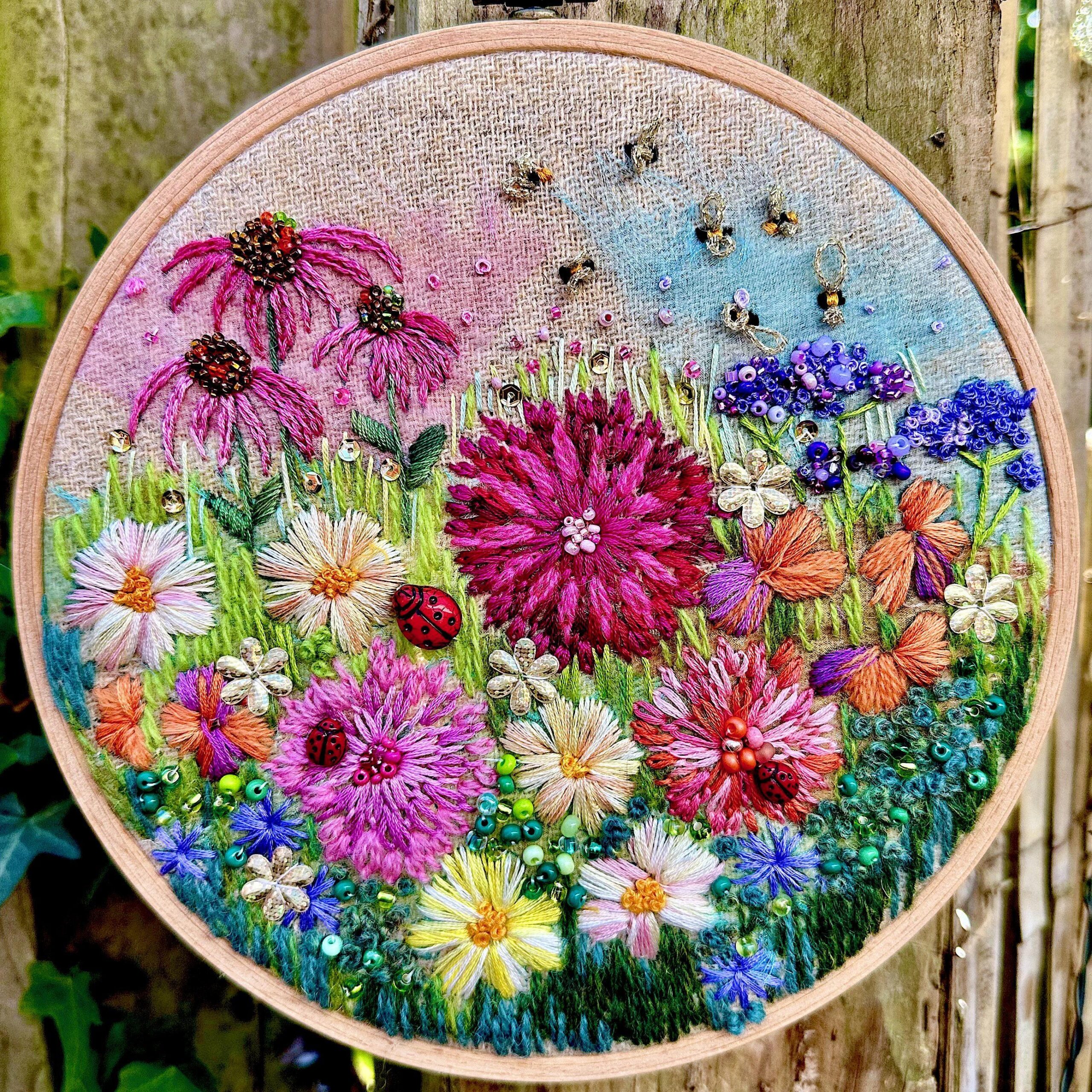
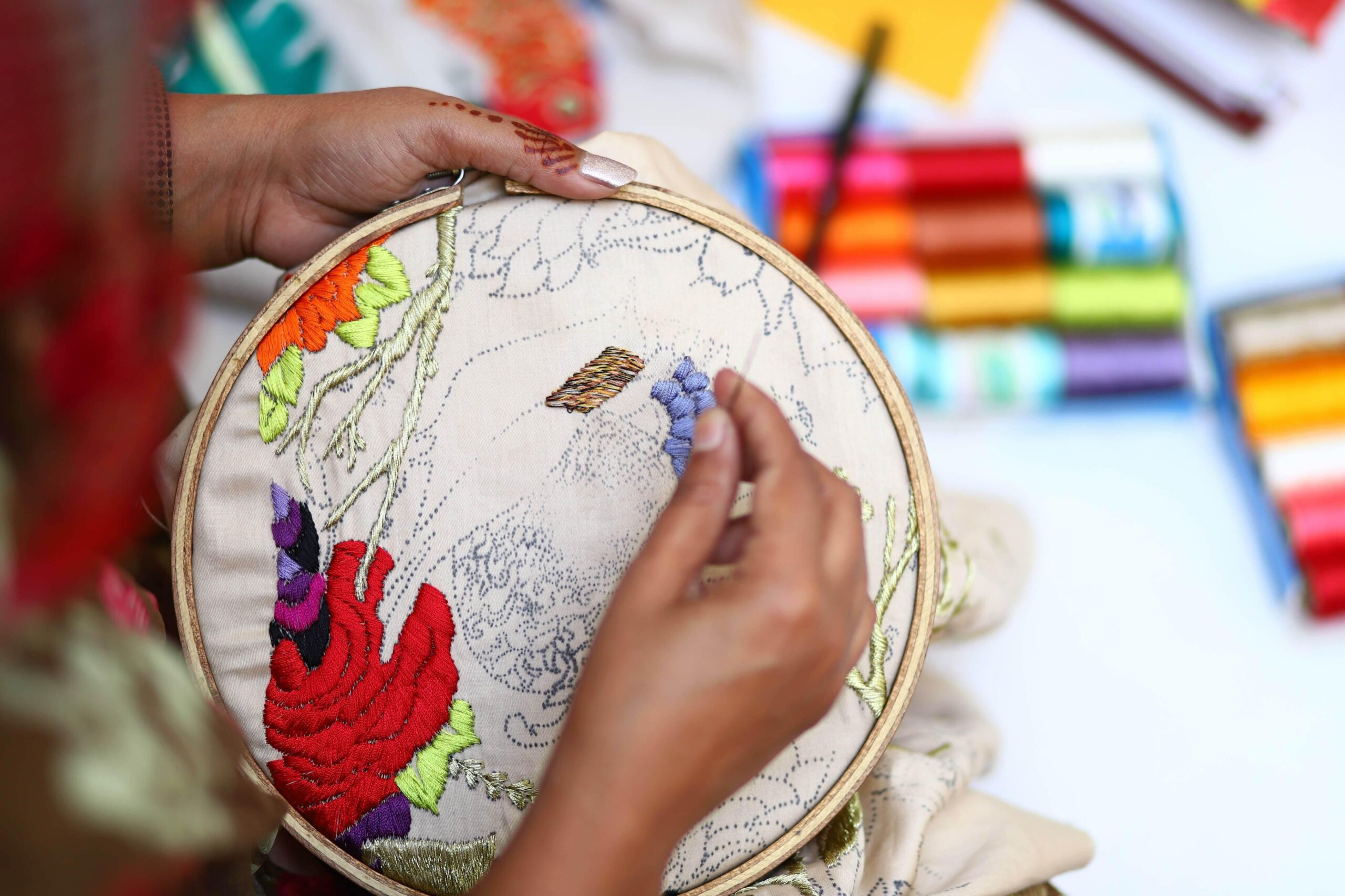
Hand embroidery is the traditional art of decorating fabric using a needle and thread by hand. Unlike machine embroidery, every stitch is carefully created by the artisan, making each design unique and full of character. This beautiful craft has been practiced for centuries and remains popular in fashion, home décor, and handmade gifts. From delicate floral patterns to intricate cultural motifs, hand embroidery transforms plain fabric into stunning works of art. Whether you're looking to personalize clothig, decorate your home, or start a creative hobby, hand embroidery offers endless possibilities.
The History of Hand Embroidery
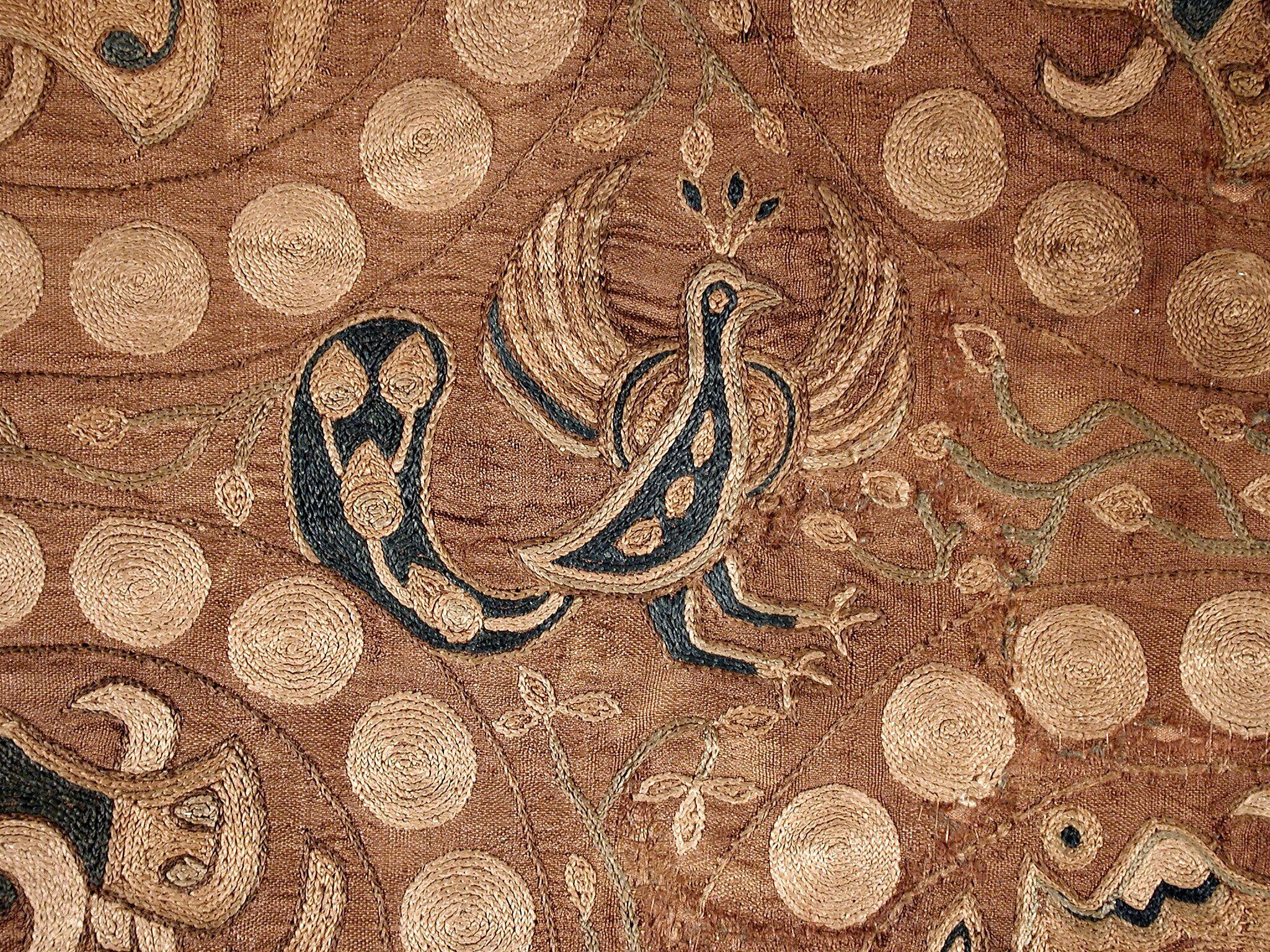
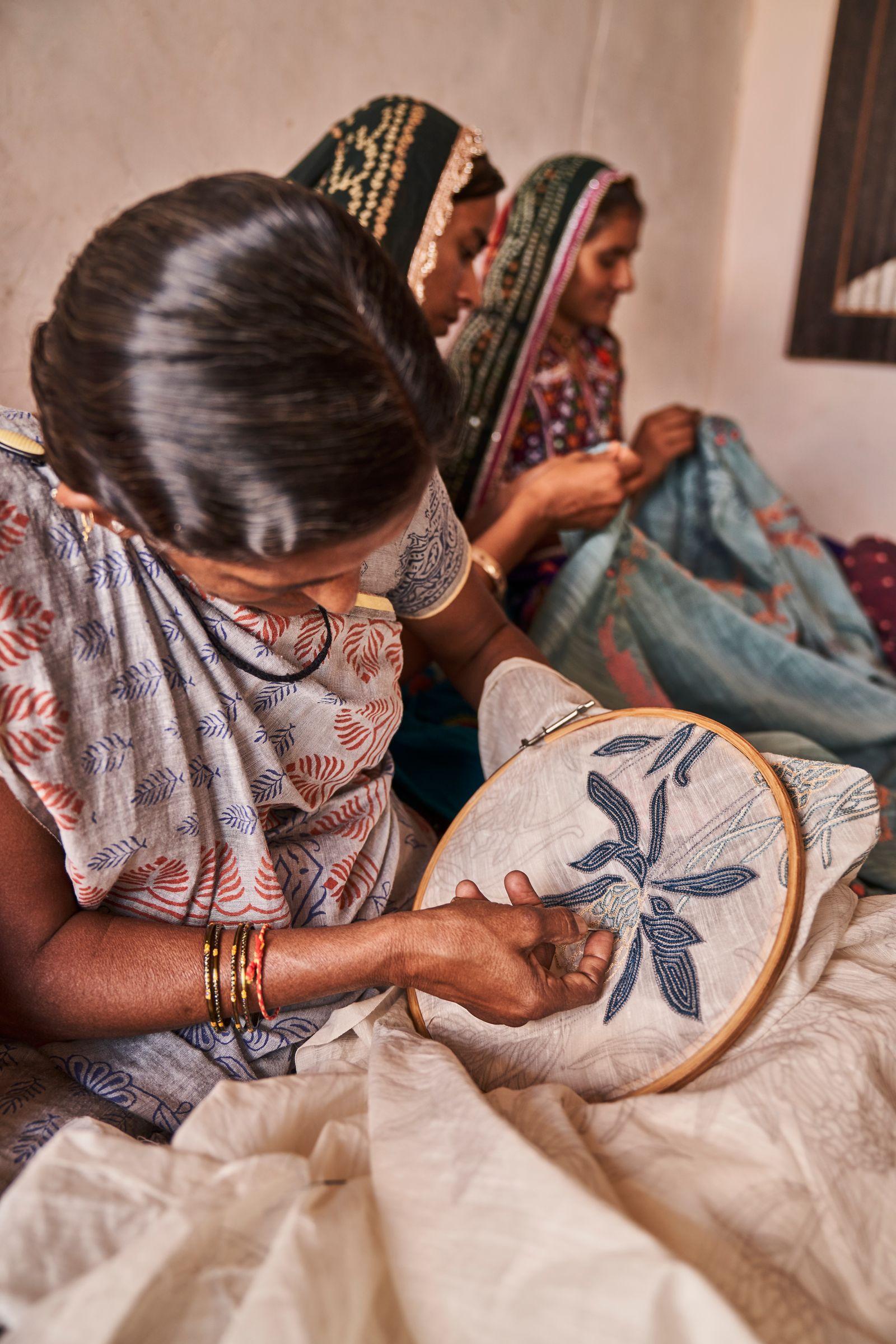
Hand embroidery dates back thousands of years and has been an important part of many cultures. Ancient civilizations such as Egypt, China, Persia, and India used embroidery to decorate garments, ceremonial clothing, and household textiles.India is particularly famous for embroidery styles like Phulkari, Chikankari, Kantha, and Zardozi, while countries such as China developed delicate silk embroidery techniques. Today, these traditional methods continue to inspire modern fashion designers and textile artists worldwide.
Essential Tools for Hand Embroidery
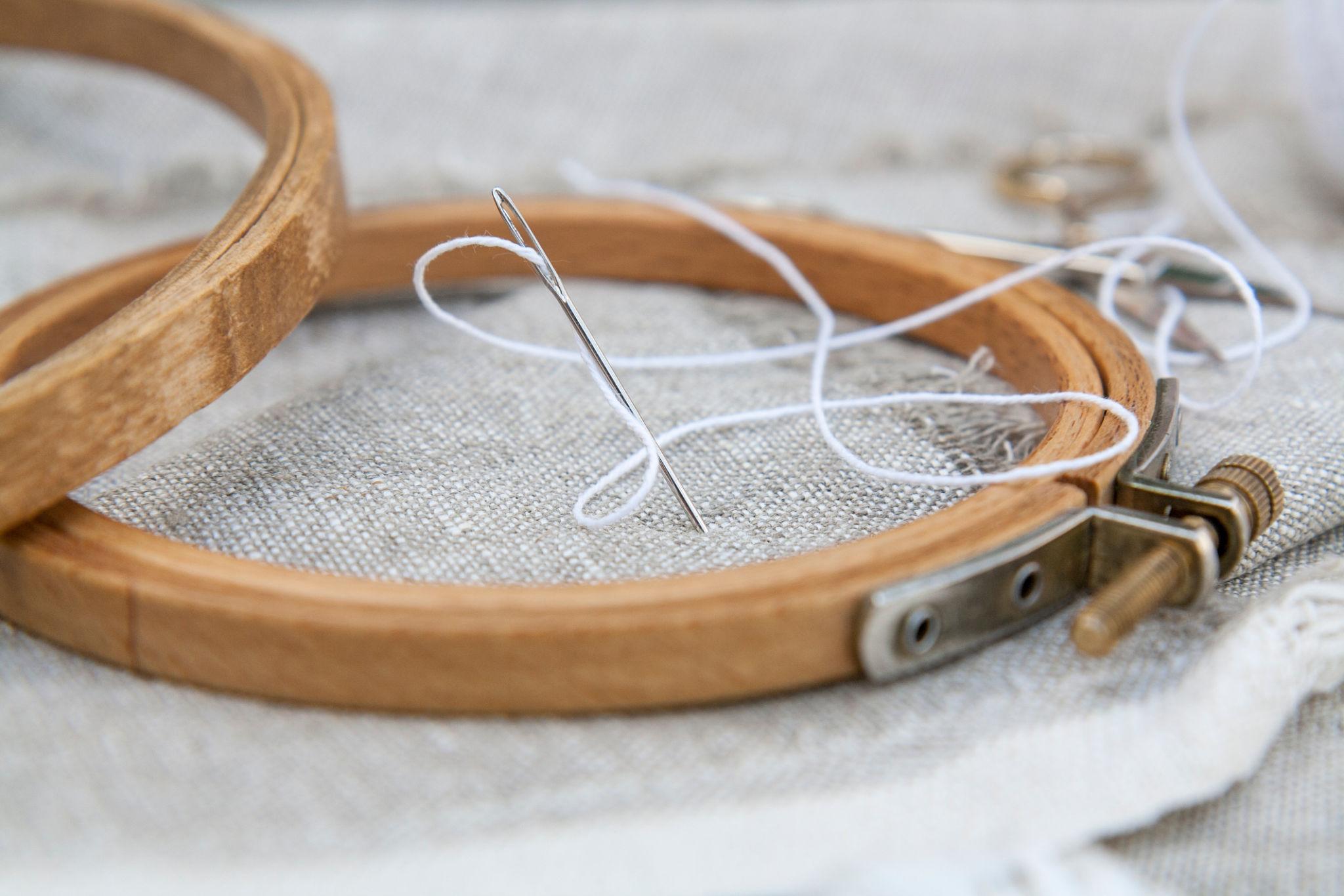
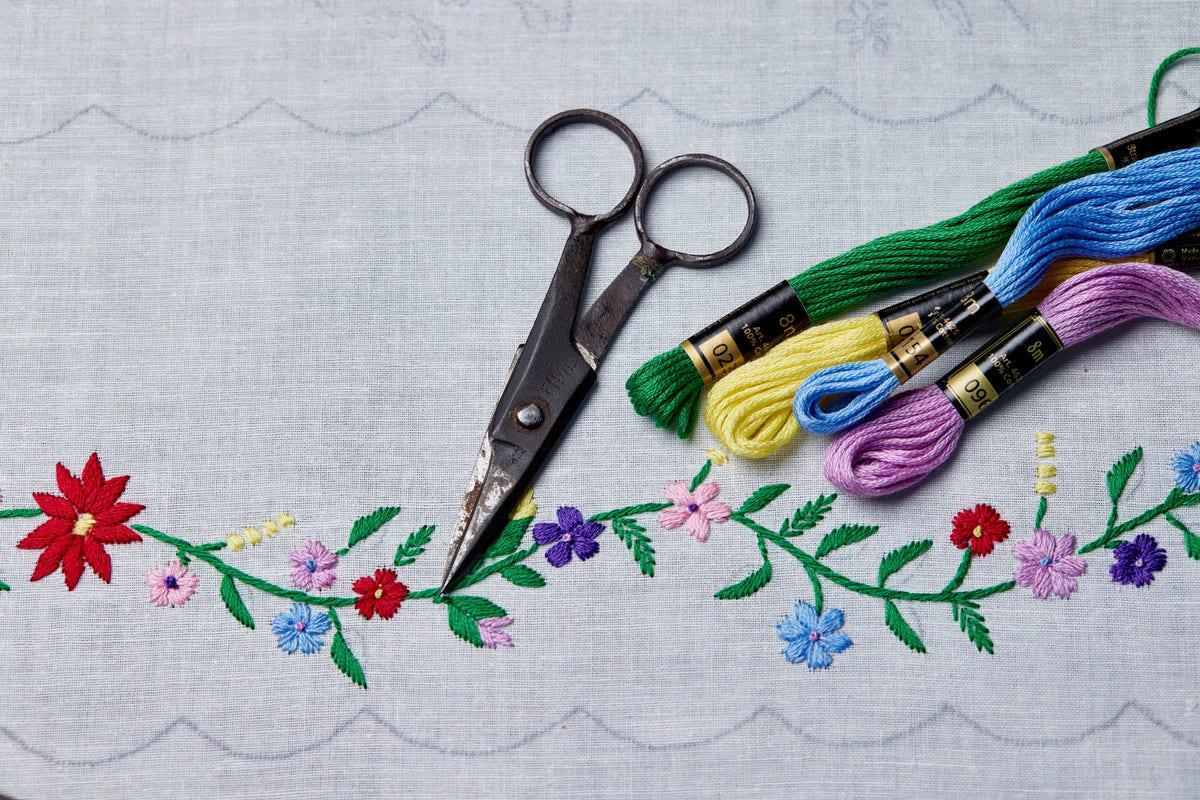
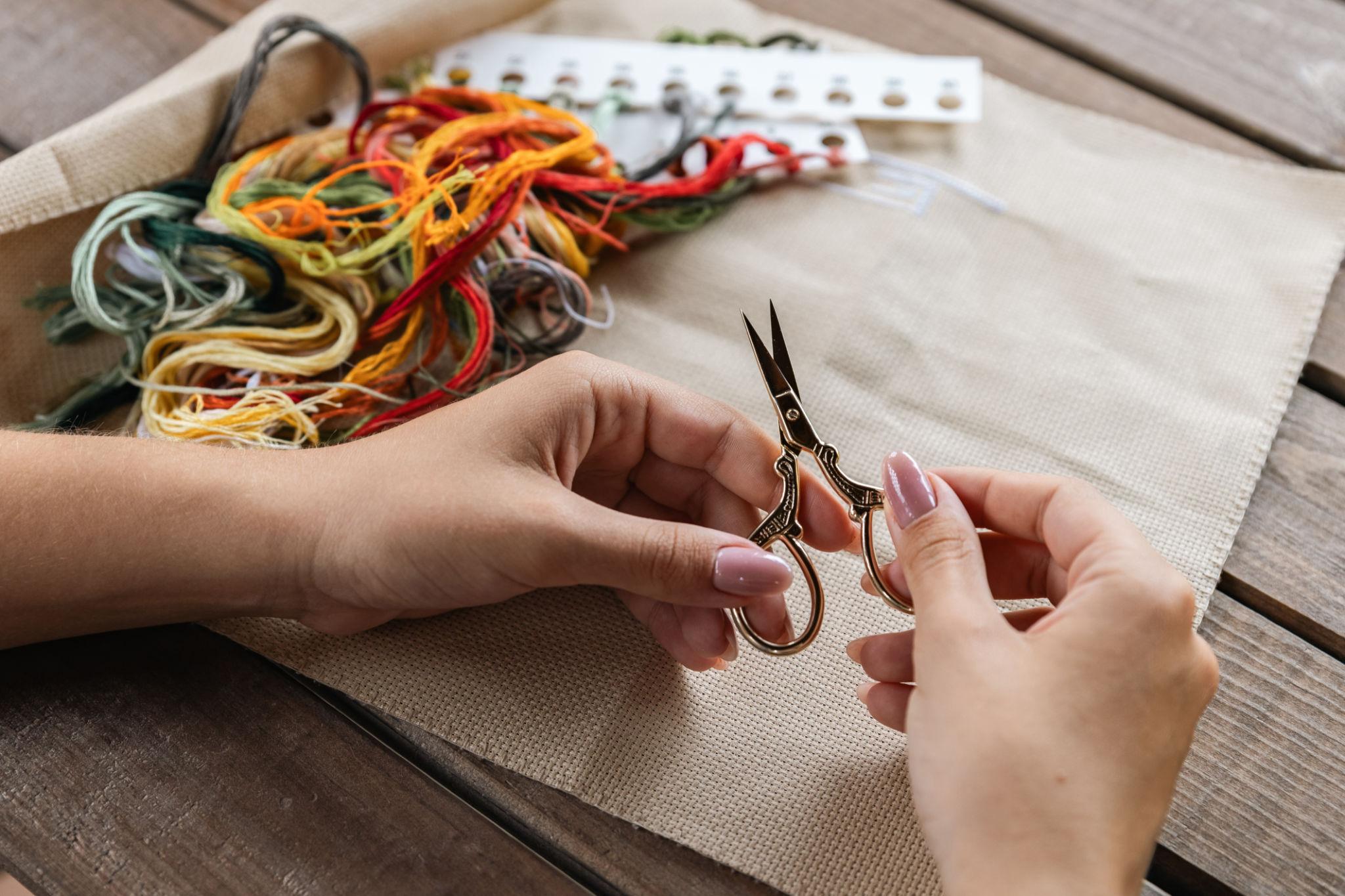
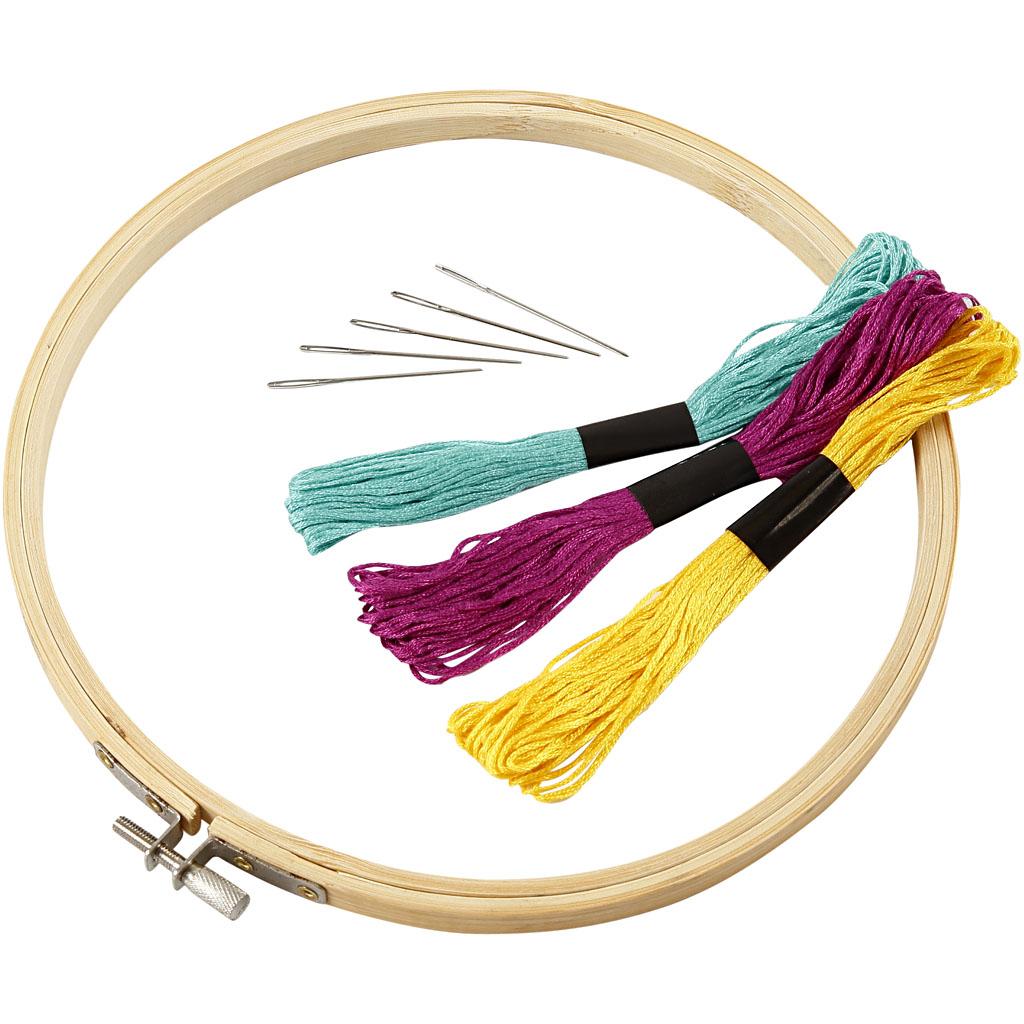
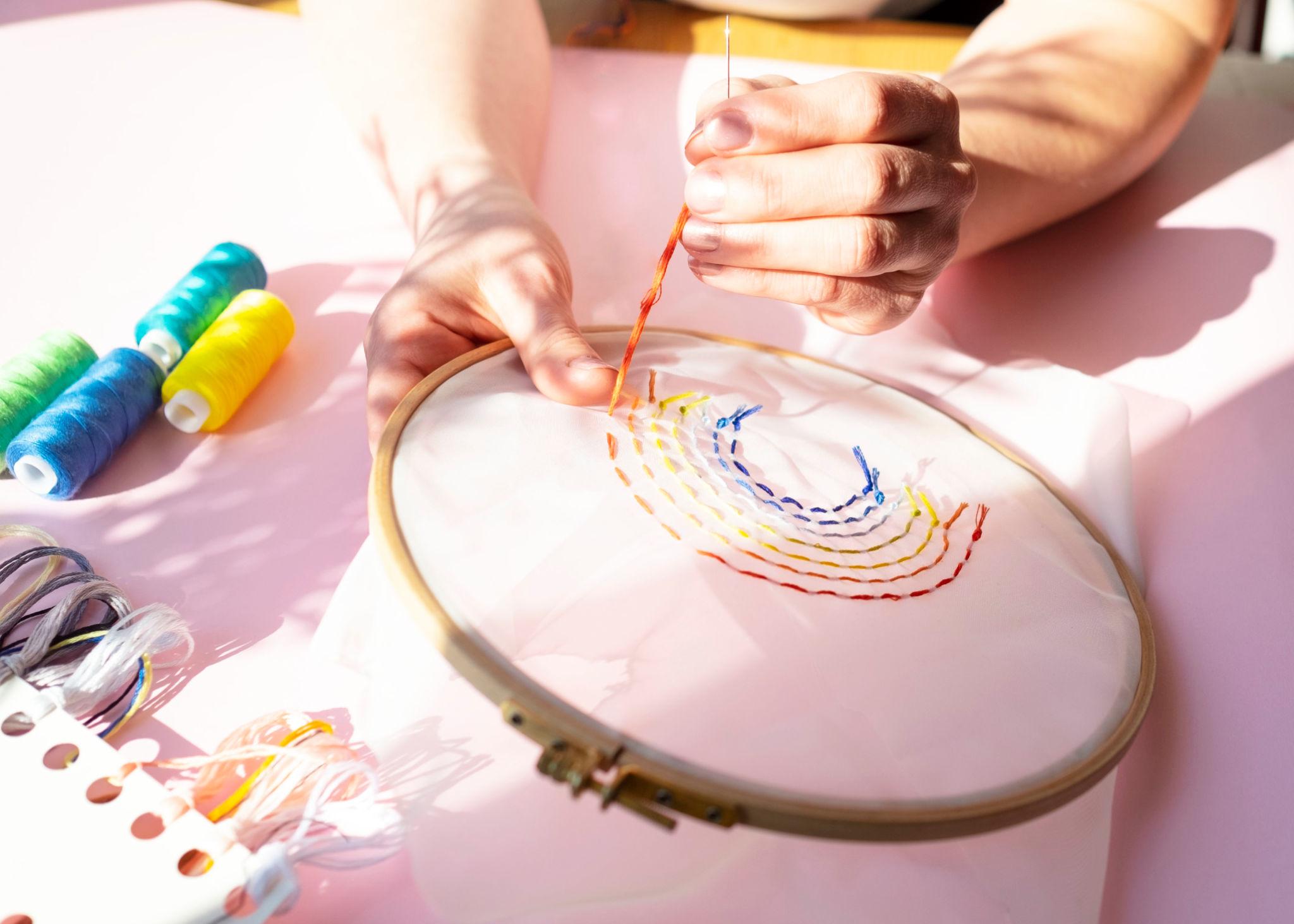
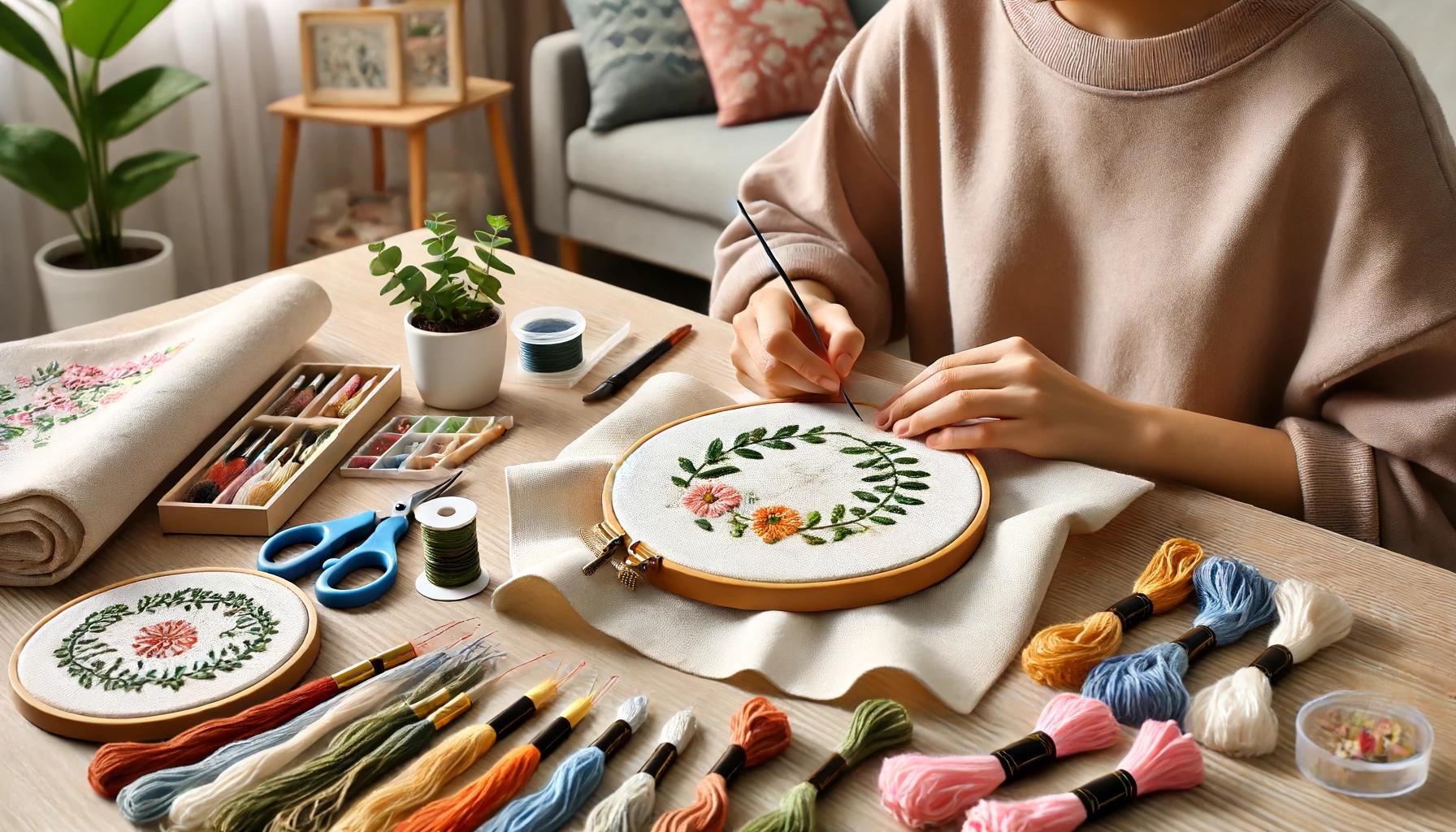
Before starting your embroidery journey, you'll need a few basic supplies:
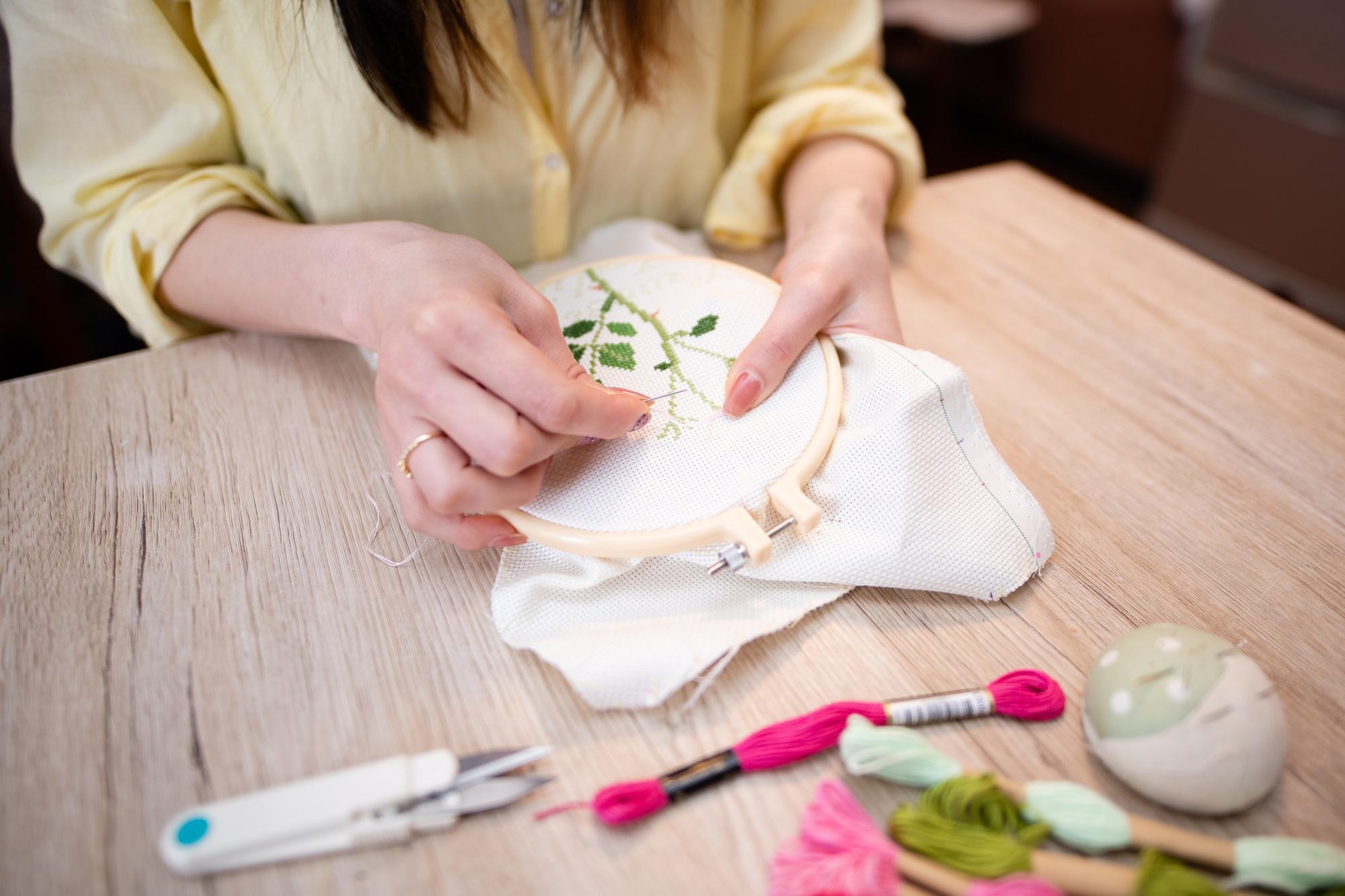
Embroidery Hoop – Keeps the fabric tight and prevents wrinkles.
Embroidery Needles – Available in different sizes for different fabrics.
Embroidery Floss – Cotton threads available in hundreds of beautiful colors.
Fabric – Cotton, linen, and canvas are ideal for beginners.
Embroidery Scissors – Small, sharp scissors for clean thread cutting.
Transfer Pen or Pattern – Used to trace designs onto fabric.
Using quality materials makes embroidery easier and produces better results.
Popular Hand Embroidery Stitches
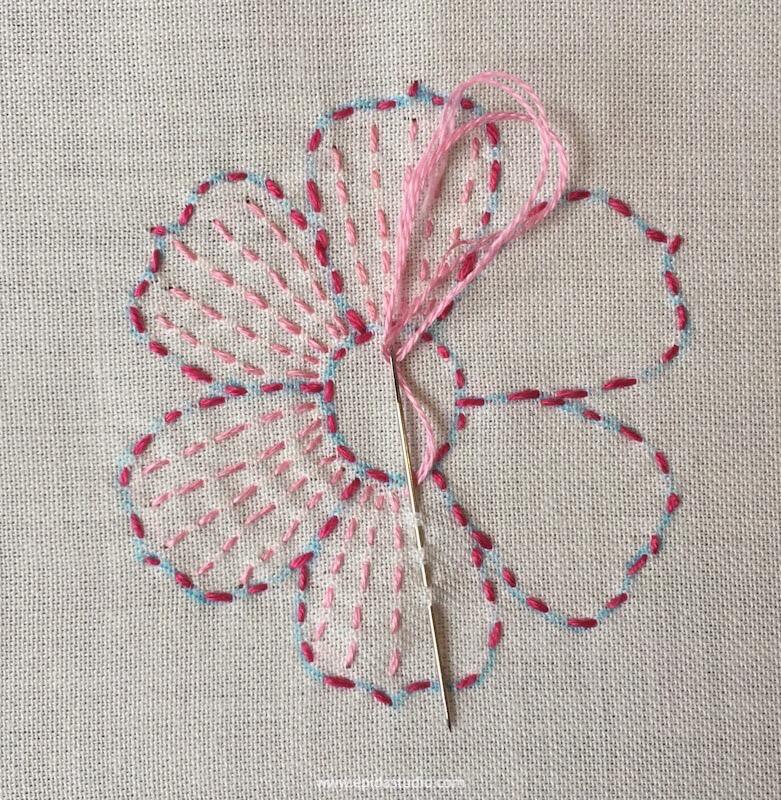
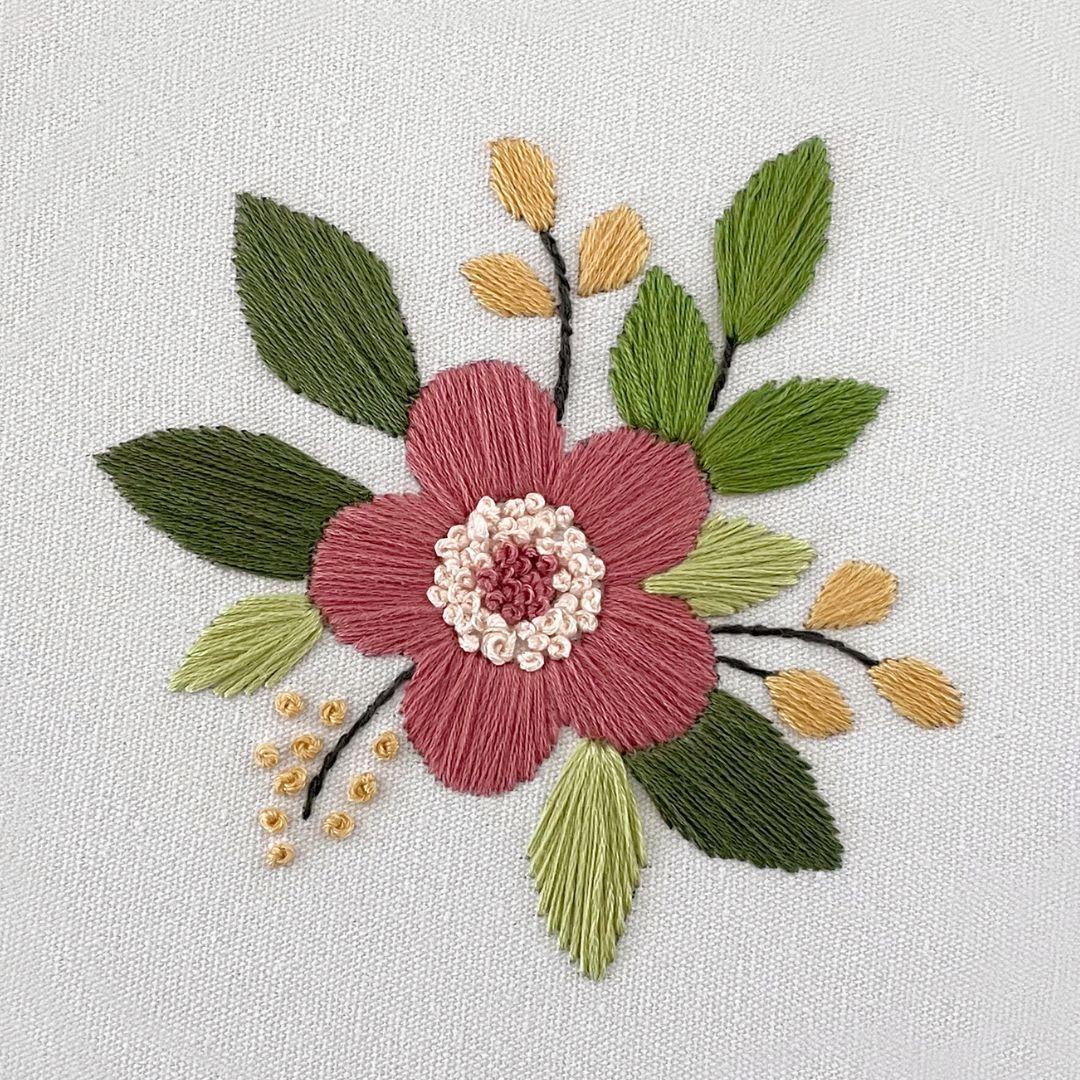
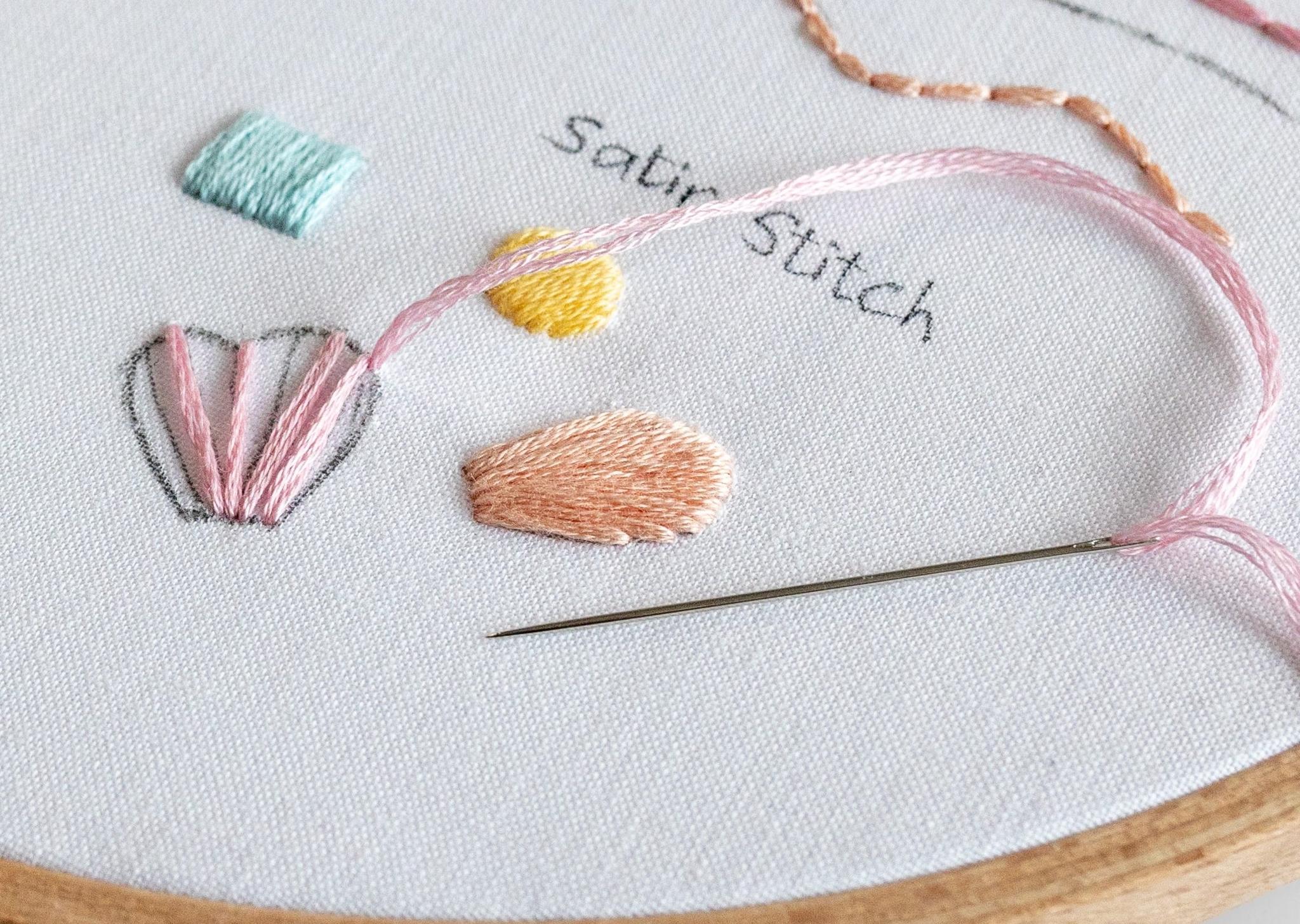
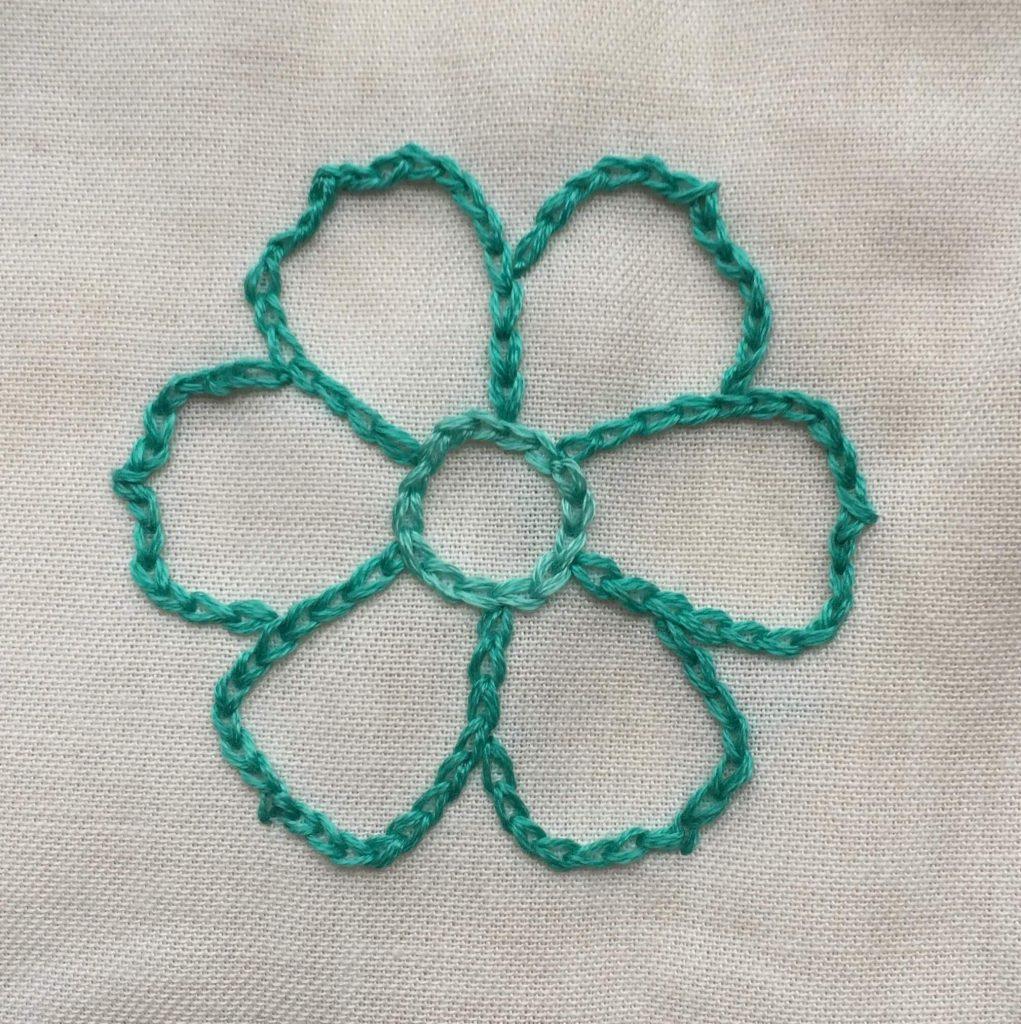
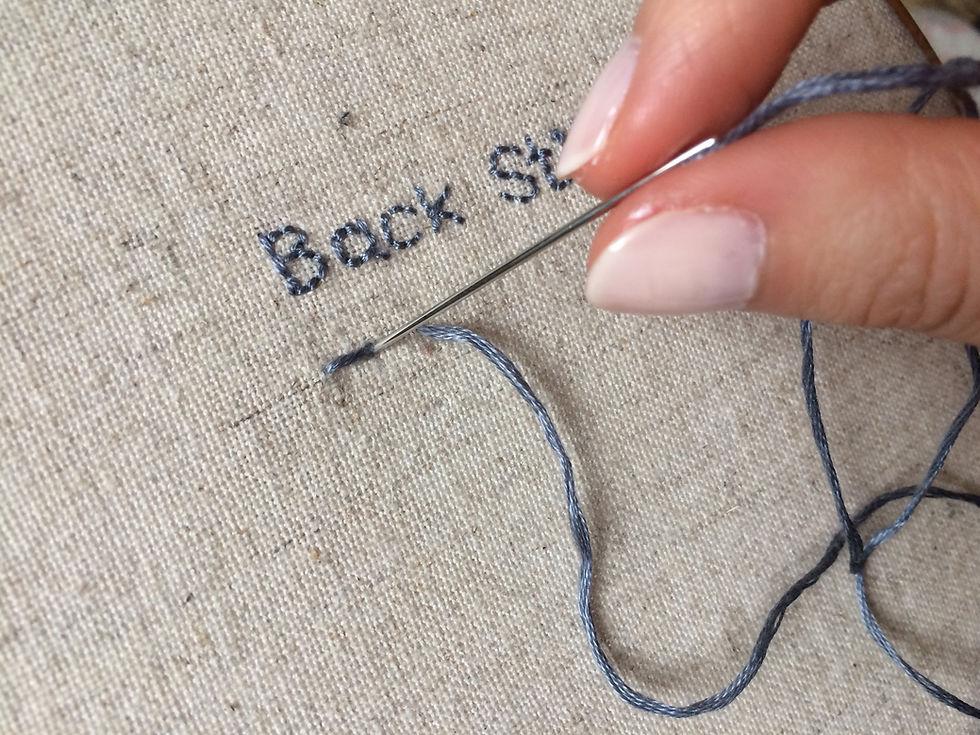
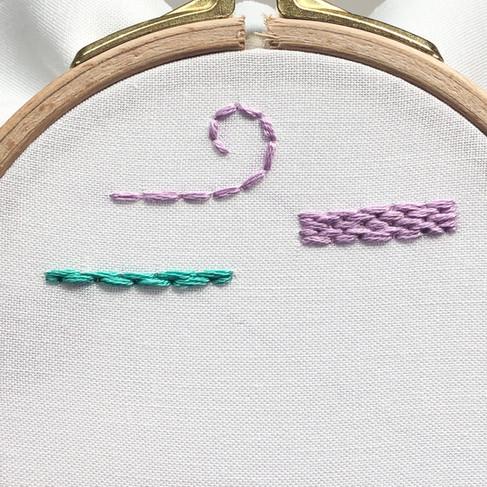
Every embroidery design is created using different stitches. Beginners should first learn these basic techniques: Running Stitch, Back Stitch, Satin Stitch, Chain Stitch, Stem Stitch, French Knot, Lazy Daisy Stitch, Feather Stitch, Fishbone Stitch, Split Stitch, By combining these stitches, you can create flowers, leaves, lettering, borders, and detailed artistic designs.
Types of Hand Embroidery
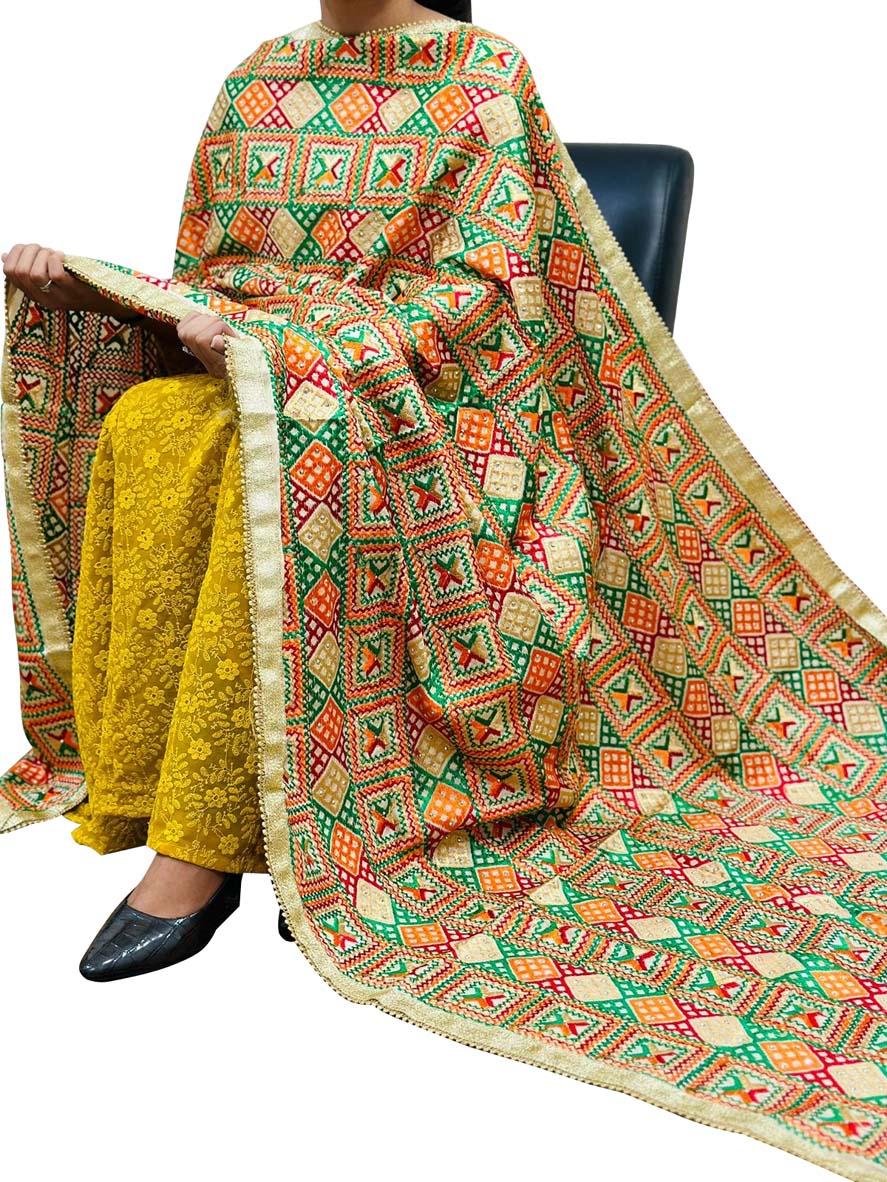
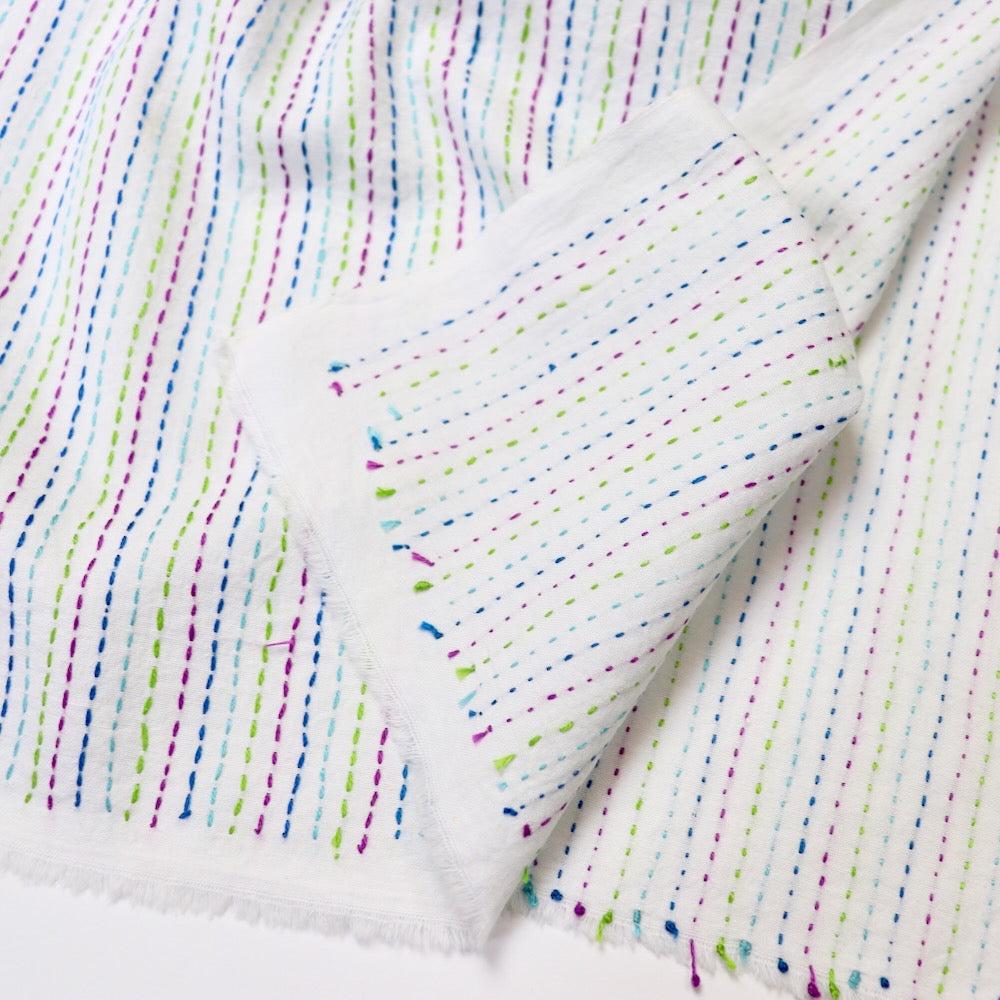
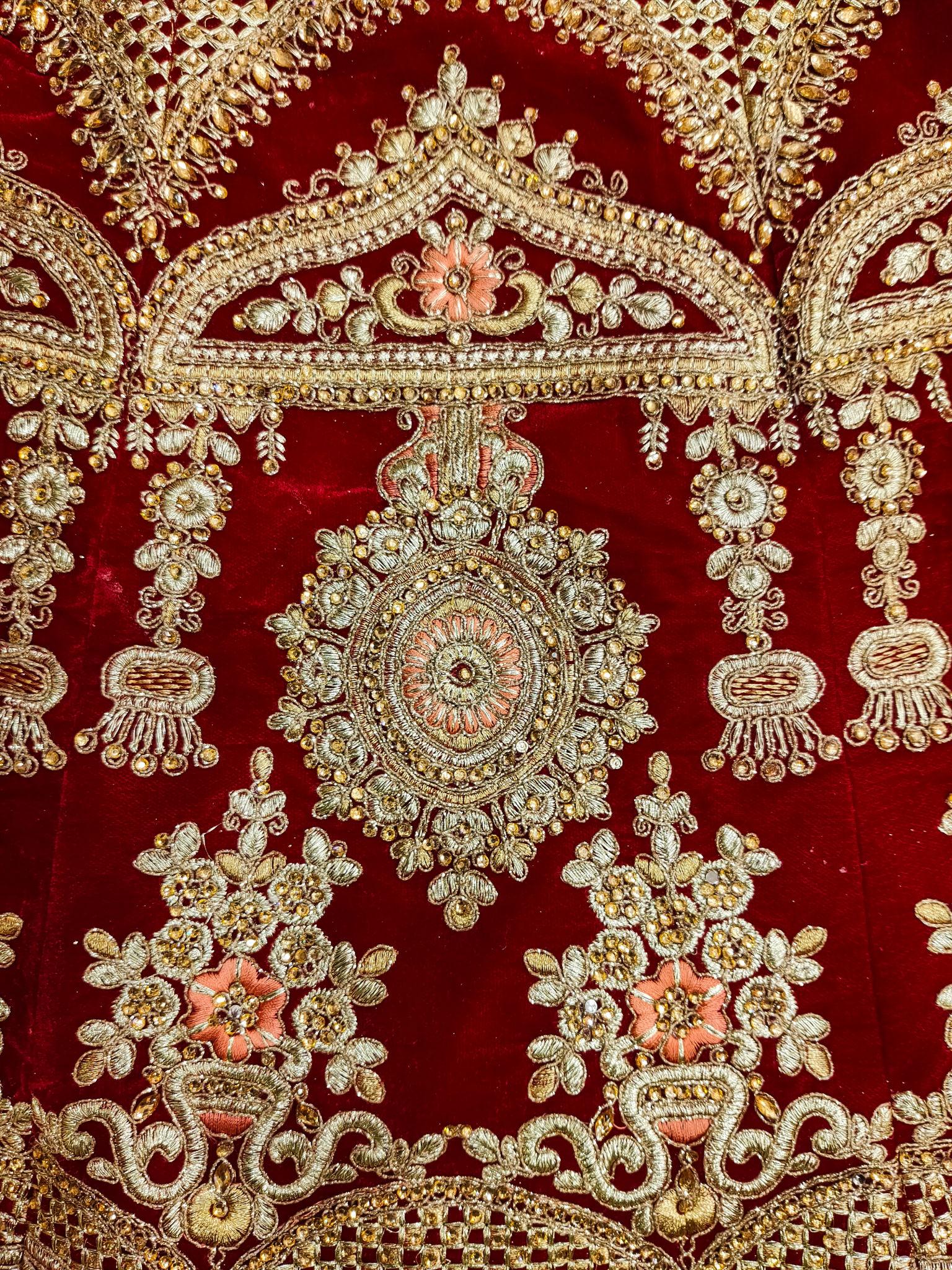
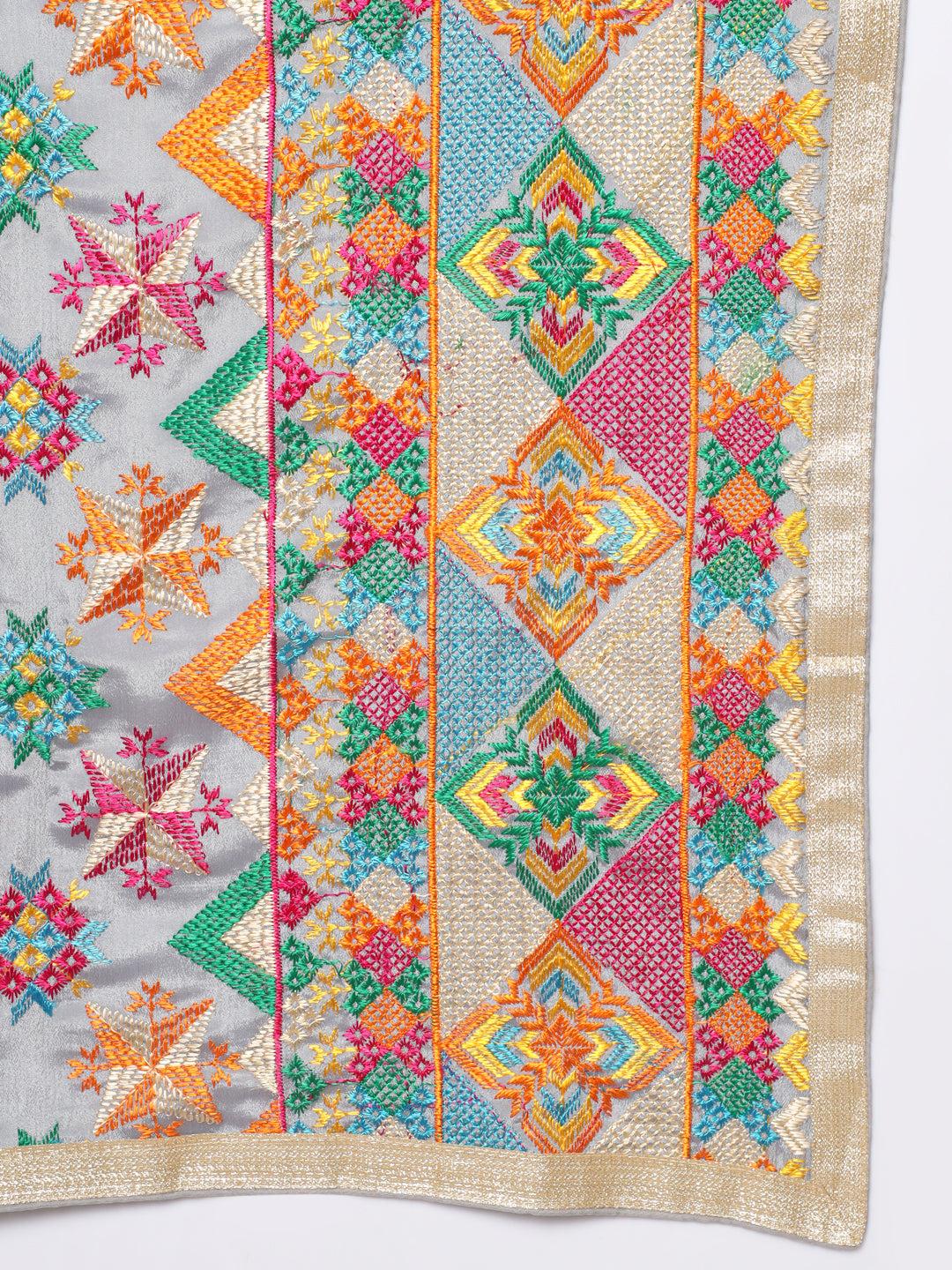
There are many styles of hand embroidery practiced around the world.
Phulkari: A colorful floral embroidery from Punjab, India, known for vibrant geometric and floral patterns.
Chikankari: A delicate white-thread embroidery originating from Lucknow, often seen on kurtis and sarees.
Kantha: A simple yet elegant running-stitch embroidery from West Bengal and Bangladesh.
Zardozi: A luxurious embroidery using metallic gold and silver threads, commonly found on bridal wear
.Cross Stitch: A counted-thread embroidery technique using X-shaped stitches to create decorative designs.
Benefits of Hand Embroidery
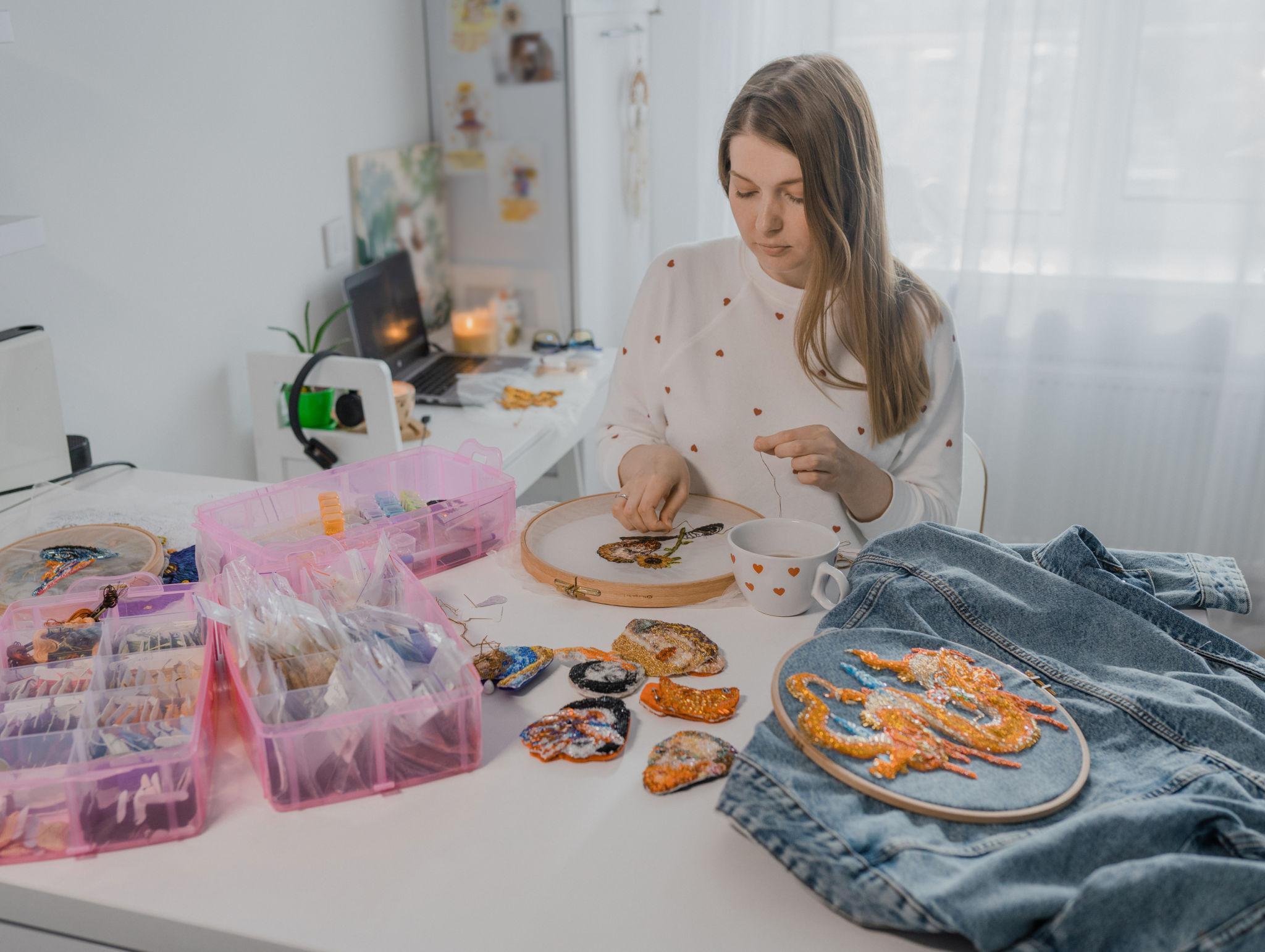
Hand embroidery offers much more than beautiful decoration.
It helps improve creativity, develops patience, reduces stress, and enhances concentration. Many people enjoy embroidery as a relaxing hobby because it encourages mindfulness and allows them to express their artistic ideas.
Hand embroidery is also an eco-friendly way to upcycle clothing and create personalized gifts that carry sentimental value.
Tips for Beginners
If you're new to embroidery, follow these simple tips: Start with basic stitches.
Use light-colored cotton fabric.
Keep the fabric tight in the hoop.
Use shorter lengths of thread to avoid tangles.
Practice small designs before attempting complex patterns.
Be patient and enjoy the learning process.
Remember, every expert embroiderer was once a beginner.
Caring for Hand Embroidered Items
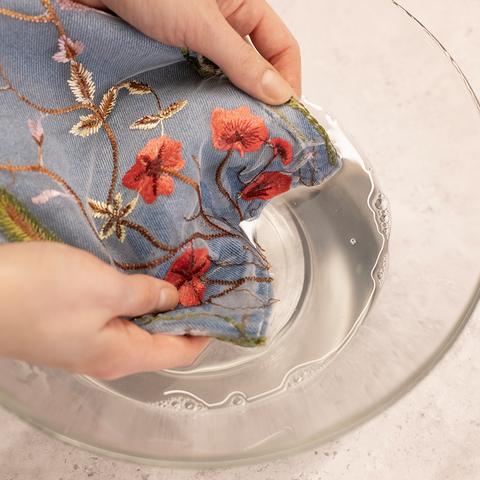
To preserve your embroidery:
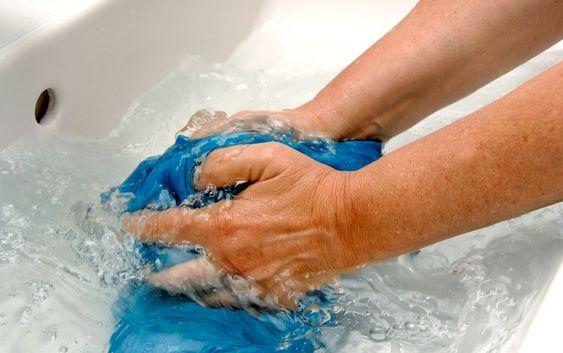
Wash gently by hand using mild detergent.
Avoid bleach and harsh chemicals.
Air dry instead of using high heat.
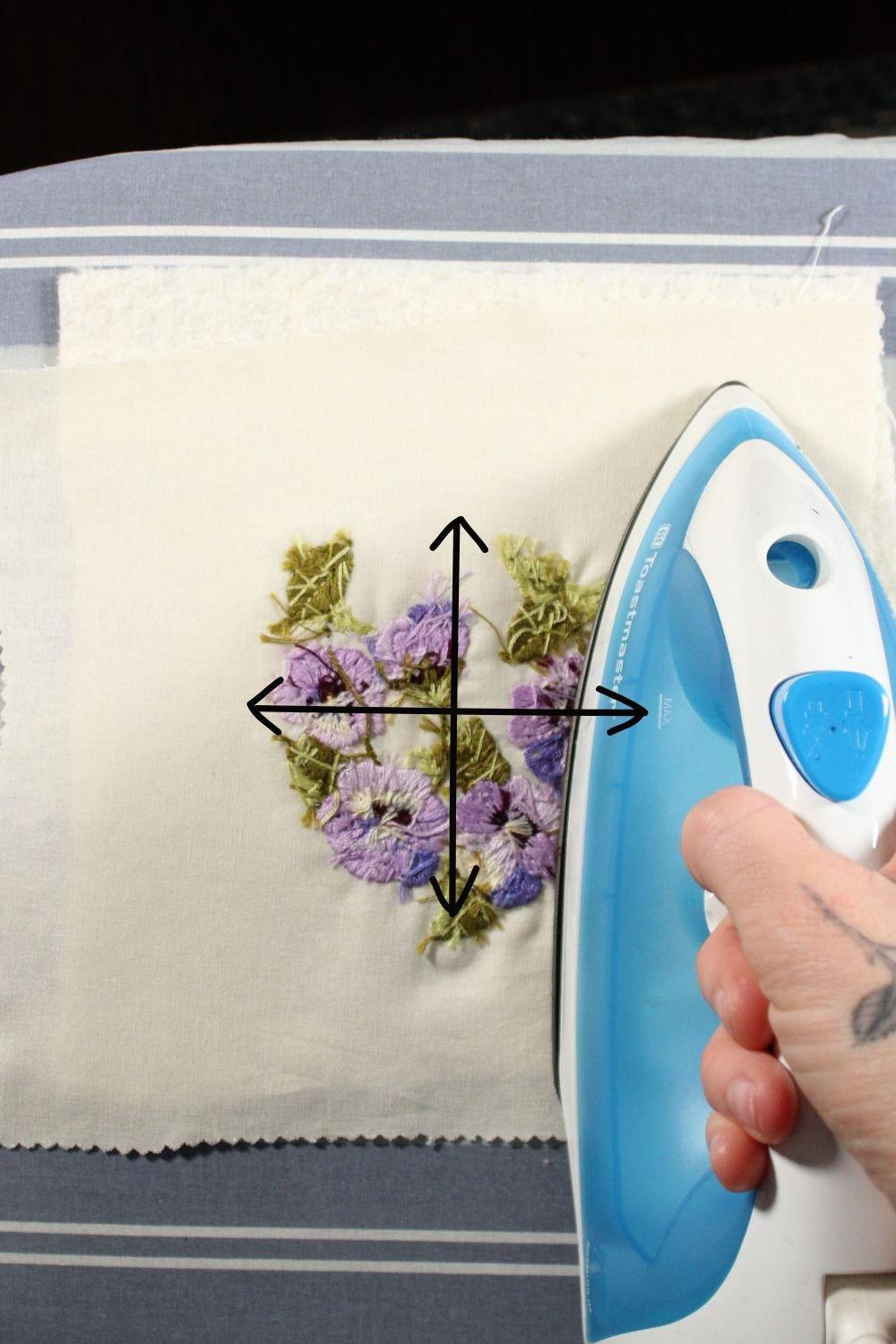
Iron from the reverse side with a protective cloth.
Store embroidered items in a cool, dry place away from direct sunlight
.Proper care helps maintain the beauty and longevity of handmade embroidery.
Why Hand Embroidery Is Still Popular
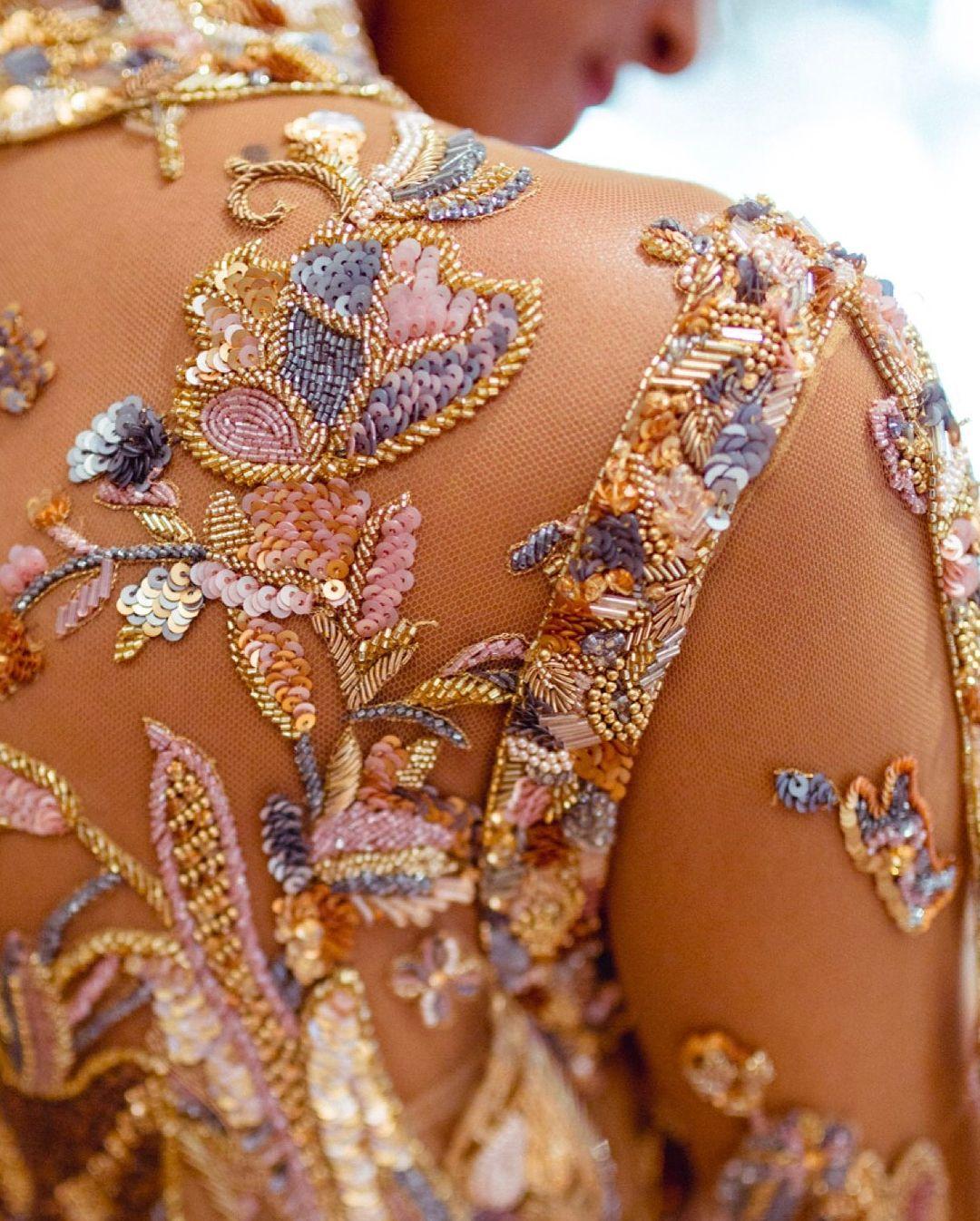
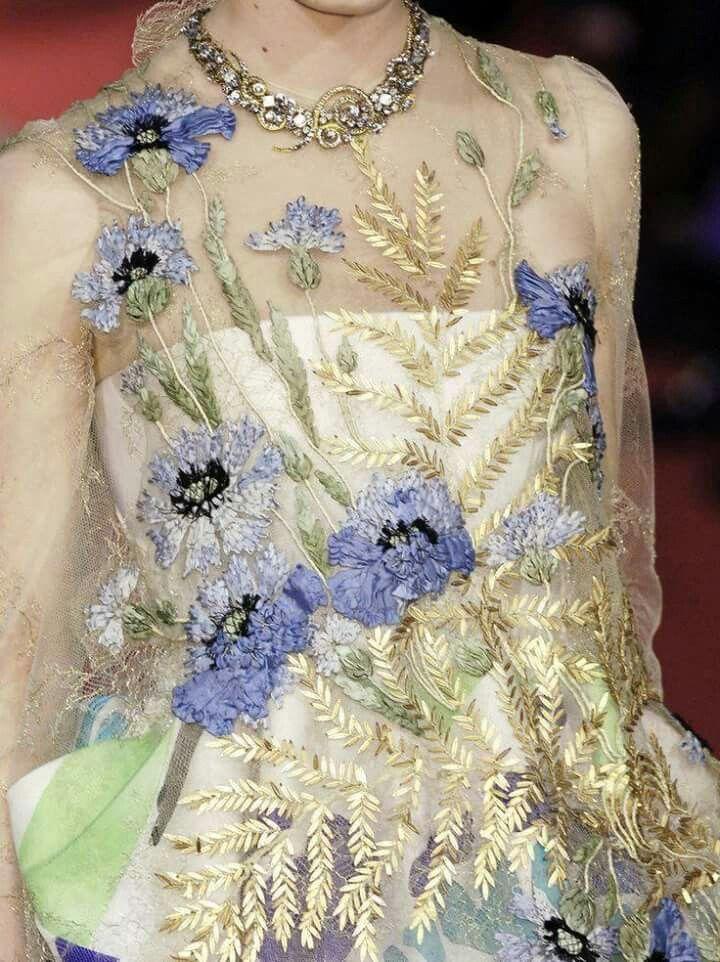
Even in the age of modern machines, hand embroidery continues to be admired for its authenticity and craftsmanship. Every handmade stitch tells a story, making embroidered items more meaningful and valuable than mass-produced products.
Fashion brands, artisans, and craft enthusiasts continue to embrace hand embroidery for its elegance, sustainability, and timeless appeal.
Conclusion
Hand embroidery is more than just decorating fabric—it's an art form that celebrates creativity, tradition, and patience. Whether you're interested in learning a new hobby or appreciating the beauty of handmade textiles, hand embroidery offers a rewarding and fulfilling experience.
With just a needle, thread, and imagination, you can create beautiful pieces that last for generations.